
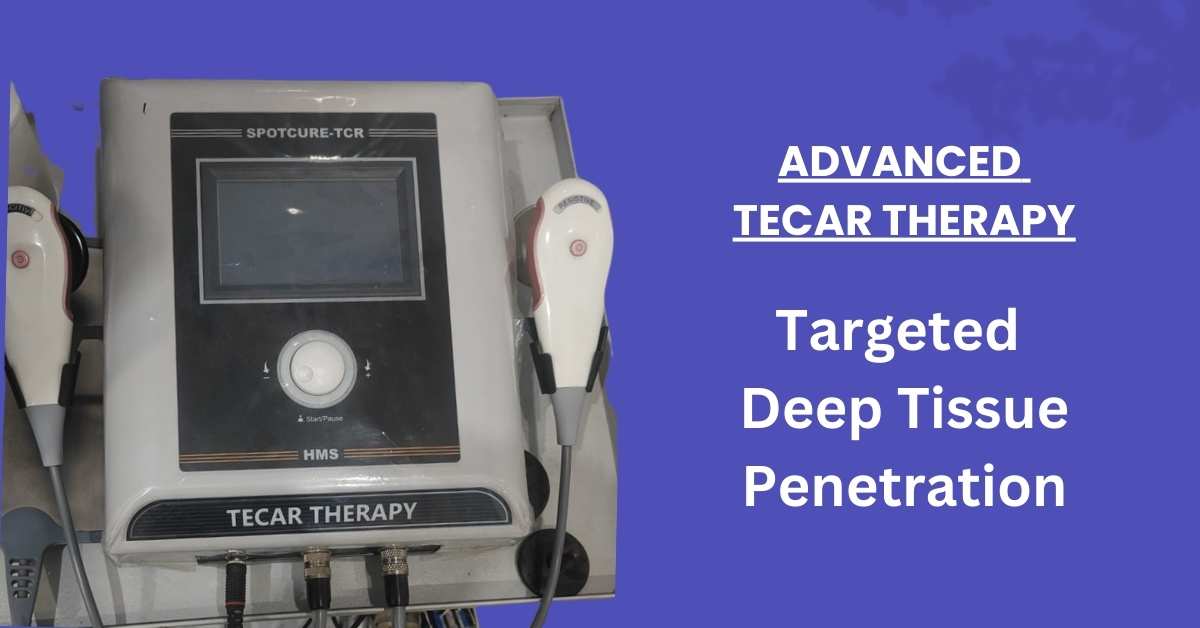
The Science of Accelerated Healing: A Comprehensive Guide to Advanced TECAR Therapy
In the realm of advanced physical rehabilitation, the objective has shifted from merely managing pain to actively accelerating the body’s biological repair mechanisms. TECAR Therapy (Transfer of Capacitive and Resistive Energy) represents the pinnacle of this shift—a non-invasive, electro-medical treatment that is redefining recovery timelines for musculoskeletal disorders.
What is TECAR Therapy?
At its core, TECAR is a form of endogenous thermotherapy. Unlike traditional external heat treatments—such as hot packs or infrared lamps—which apply heat from the outside, TECAR utilizes a high-frequency current (ranging between 300kHz and 1.2MHz) to stimulate the body’s internal electrolytes.
This stimulation creates “internal heat” within the tissues. This process, known as deep diathermy, allows for the treatment of deep-seated anatomical structures that were previously difficult to reach without invasive procedures. By triggering the body’s natural energy, the therapy promotes faster healing, immediate pain relief, and a significant reduction in inflammation.
The Biological Mechanism: How It Works
The effectiveness of this technology lies in its ability to interact with the body at a cellular level. When the high-frequency current is applied, it creates three distinct physiological effects:
- Biostimulation (Low Power): At lower intensities, the therapy works on a sub-thermal level, stimulating the exchange of ions across cell membranes. This increases cellular metabolism and ATP (Adenosine Triphosphate) production, essentially giving the cells the fuel they need to repair themselves.
- Vascularization (Medium Power): As the intensity increases, it boosts microcirculation and blood flow. This brings a surge of oxygen and nutrients to the injury site while flushing out metabolic waste and inflammatory toxins.
- Hyperactivation (High Power): At higher thermal levels, it induces deep heat, which reduces muscle stiffness, breaks down fibrotic tissue (scar tissue), and increases the elasticity of tendons and ligaments.
Capacitive vs. Resistive: The Precision of Treatment
One of the most significant advantages of modern TECAR systems is the dual-mode capability. This allows for a customized treatment plan based on the density of the tissue being targeted.
- The Capacitive Mode: This mode is specifically designed to target tissues with high water and electrolyte content, such as muscles, the vascular system, and the lymphatic system. It is the primary choice for treating acute muscle strains, hematomas, and post-surgical swelling.
- The Resistive Mode: This mode focuses energy on “high resistance” tissues—those with lower water content. These include bones, joints, thick tendons, ligaments, and old scar tissue. It is indispensable for treating chronic joint degeneration, calcifications, and deep-seated ligament injuries.
Clinical Applications and Indications
Advanced therapy of this nature is versatile, making it a cornerstone of modern sports medicine and orthopedic rehabilitation.
1. Sports Injury & Performance
Athletes require rapid recovery to maintain performance levels. This therapy is highly effective for:
- Acute ligament sprains (Ankle, Knee, Wrist).
- Muscle fiber tears and “charley horses.”
- Tendonitis and overuse injuries (Tennis Elbow, Golfer’s Elbow).
- Post-exercise recovery to prevent Delayed Onset Muscle Soreness (DOMS).
2. Chronic Pain Management
For patients living with long-term discomfort, this technology offers a drug-free alternative for:
- Lower Back & Neck Pain: It reaches the deep paravertebral muscles that manual therapy alone often cannot fully release.
- Sciatica: By reducing inflammation around the nerve root, it helps alleviate radiating leg pain.
- Plantar Fasciitis: It softens the thick fascia on the sole of the foot, providing relief from chronic heel pain.
3. Degenerative Joint Conditions
As the population ages, managing joint health becomes vital. This therapy provides relief for:
- Osteoarthritis: By stimulating the production of synovial fluid and reducing friction in joints like the knee and hip.
- Frozen Shoulder: Breaking through the restrictive “capsule” of the shoulder to restore range of motion.
The Patient Experience: What to Expect
A standard session typically lasts between 20 to 40 minutes. Unlike many electrical treatments that can feel prickly or uncomfortable, this therapy is famously pleasant. Patients feel a deep, soothing warmth that often results in immediate relaxation of the affected area.
The treatment is non-invasive and has no downtime. Most individuals can return to their daily activities or even light exercise immediately following the session. While the immediate “feel-good” factor is high, the true biological healing continues for hours after the session is over.
The Integrative Philosophy of Rehabilitation
While technology provides the catalyst, the best results are achieved when these advanced modalities are integrated into a comprehensive rehabilitation program. Under the expert guidance of Dr. Amit Aggarwal, the center utilizes these tools not as a standalone “cure,” but as a powerful facilitator.
By utilizing TECAR to first reduce pain and muscle guarding, the physiotherapist can then perform more effective manual mobilizations and corrective exercises. This synergy between human expertise and mechanical precision is what leads to long-term structural recovery rather than just temporary symptomatic relief.
Safety and Contraindications
Safety is paramount in any clinical setting. While highly safe for most, certain precautions are always observed. The therapy is generally avoided for:
- Individuals with pacemakers or large electronic implants.
- Pregnant women.
- Patients with active oncology (cancer) treatments in the targeted area.
- Individuals with deep vein thrombosis (DVT) or severe circulatory disorders.
Conclusion: Investing in Your Future Health
The decision to seek advanced physiotherapy is an investment in your long-term mobility. In a world where we often settle for “managing” pain with medication, technologies like TECAR offer a path toward genuine physiological recovery. By choosing a facility that prioritizes the latest global standards, you ensure that your recovery is as fast, efficient, and scientifically grounded as possible.
Your journey back to an active, pain-free life begins with understanding that your body has an incredible capacity to heal—sometimes, it just needs the right energy to get started.
Frequently Asked Questions (FAQs)
1. How soon can I feel the results? Most patients experience a significant reduction in pain and an increase in mobility after the very first session. However, for long-term tissue repair, a series of sessions is usually recommended.
2. Is TECAR therapy safe if I have a metal plate or screw in my bone? Yes. Unlike older diathermy or ultrasound machines, modern systems used at our center can be safely applied around most orthopedic metal implants. The therapist will adjust the settings to ensure no direct heating of the metal occurs.
3. Does it involve any side effects? There are virtually no side effects. Some patients may experience a mild, temporary redness on the skin due to increased blood flow, which usually subsides within minutes.
4. Can this therapy prevent surgery? In many cases of disc bulges, early-stage osteoarthritis, or ligament tears, aggressive conservative management with advanced modalities can significantly delay or even eliminate the need for surgical intervention.
5. How often should I take these sessions? For acute injuries, sessions can be taken daily or every other day. For chronic conditions, 2-3 times a week is standard. Your specific protocol will be determined during your initial clinical assessment.
6. Is the heat applied from a lamp? No. The heat is created by your own body tissues responding to the radiofrequency current. This is why the heat feels deeper and lasts much longer than a standard heat pack.
7. Can it be used for neurological conditions? Yes, it is often used as a supportive therapy for stroke rehabilitation or nerve injuries to maintain muscle tone and improve blood supply to affected limbs.
8. What should I wear for a session? Since the therapist needs to apply a conductive cream and move an electrode over the skin, it is best to wear loose, comfortable clothing that allows easy access to the area being treated.
9. Why is this considered better than traditional “heat treatment”? Traditional heat only affects the surface. This technology penetrates deep into the joints and thick muscle groups, treating the root cause of the pain rather than just the surface symptoms.
10. Do I need to rest after a session? Unless you have a severe acute injury, there is no need for bed rest. In fact, gentle movement is often encouraged after a session to take advantage of the increased flexibility and reduced pain.